Home
Home
If you’re studying music production, you’ve probably thought about where you want it to take you. You might have a particular role in mind already, or you might just know that you want to make a living working in music.
Either way, it’s worth exploring your options and getting a feel for the different paths available and which might suit you best. So, we’ve broken down five popular careers you can pursue with a music production degree, what they involve and what you’ll need to get started.
What can you do with a music production degree?
A music production degree can lead to careers in producing, recording, mixing, audio engineering, sound design and other areas of the music and creative industries.
There’s no single route into a career in music production, and plenty of job roles overlap in the skills and responsibilities involved. You might move between different areas of audio work as your career develops, while choosing between freelance and studio employment depending on what your day-to-day working life looks like.
Ultimately, where you end up will depend on the kind of work you enjoy, the skills you develop and the projects you want to be part of.
1. Music Producer
Music producers help take a track from an initial idea to a finished recording. Depending on the artist and project, that could mean shaping arrangements, choosing sounds, guiding performances, programming instruments or getting hands-on with recording and mixing.
It’s also a highly collaborative role. You’ll spend a lot of time working with artists and musicians, understanding what they want from a track and knowing when to bring your own ideas into the process. There’s no single route to becoming a music producer, so building your skills, experience and network can be just as important as developing your sound.
You might enjoy this career if you: like seeing the bigger picture of a track, enjoy working with other musicians and want a mix of creative and technical work.
Key skills for music producers: Creative direction • Arrangement • DAWs • Critical listening • Collaboration
2. Recording Engineer
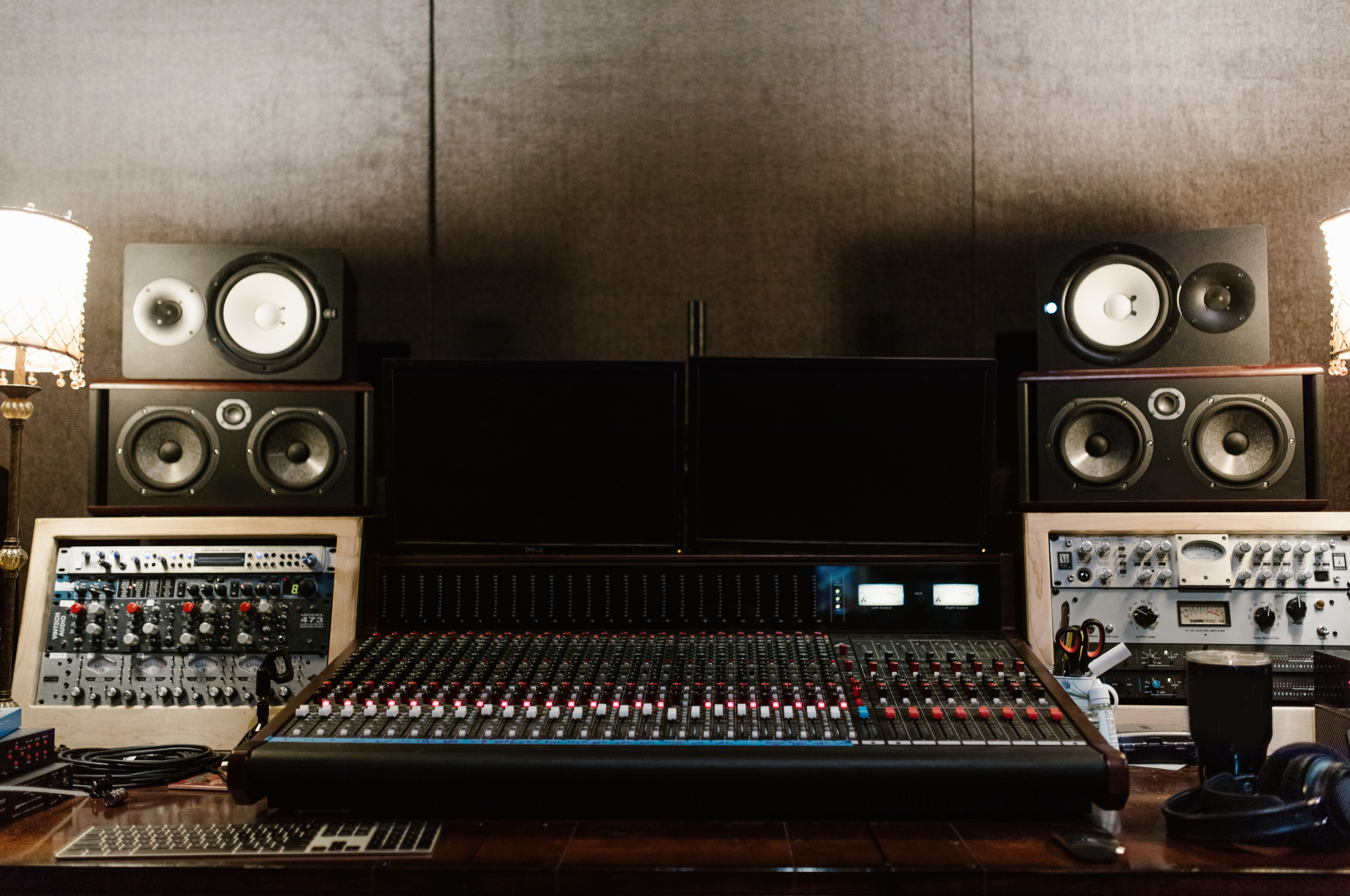
Recording engineers handle the technical side of capturing music in the studio. They set up and operate recording equipment, record vocals and instruments, monitor sound quality and make adjustments throughout a session.
You’ll work closely with artists and producers to understand the sound they’re aiming for and make sure it comes through in the recording. That takes a good ear as well as technical knowledge, particularly when you need to spot and solve problems without interrupting the flow of a session.
You might enjoy this career if you: like being hands-on in the studio, enjoy the technical side of music and are good at solving problems.
Key skills for recording engineers: Recording technology • Signal flow • Acoustics • Critical listening • Troubleshooting
3. Mixing Engineer
A mixing engineer is responsible for bringing all the individual tracks in a recording together to create the final mix. They use different processes and effects to balance and shape each element, creating a cohesive track where everything works together.
This can involve adjusting levels, using EQ and compression and working with plugins to shape different elements of a mix. The aim is to bring out the best in the recording while staying true to the artist’s vision for the track.
You might enjoy this career if you: have a strong ear for detail, enjoy refining music and like combining technical skills with creative decision-making.
Key skills for mixing engineers: EQ • Compression • Level balancing • Panning • Effects processing
4. Audio Engineer
An audio engineer works with sound across different settings, including recording studios, live performances, broadcasts and film productions. Their job is to capture, process and manipulate audio, making sure the final sound meets the technical and creative requirements of the project.
Audio Engineers can be involved in operating and setting up sound systems, adjusting and processing different audio sources or fine-tuning final outputs. You’ll often work closely with musicians, producers and other creative professionals, so it’s a role that combines technical expertise with collaboration.
You might enjoy this career if you: enjoy the technical side of sound, like working with equipment and want a role that can take you into different areas of the industry.
Key skills for audio engineers: Signal flow • Audio routing • Sound system operation • Audio processing • Equipment troubleshooting
5. Sound Designer
A sound designer creates audio for media such as film, TV, video games and theatre. Rather than working primarily on songs, they use recorded and digital sounds to help build the atmosphere and overall experience of a project.
That could mean creating sound effects, recording original audio, manipulating existing sounds or using synthesis. Sound designers often work closely with directors and other creatives to make sure the audio fits what’s happening on screen or on stage.
You might enjoy this career if you: like experimenting with sound, enjoy creating things from scratch and are interested in working across music and other creative industries.
Key skills for sound designers: Field recording • Synthesis • Sampling • Audio editing • Effects processing
Explore music production courses at LCCM
One of the benefits of studying music production is the opportunity to explore different creative roles while developing practical, industry-relevant skills.
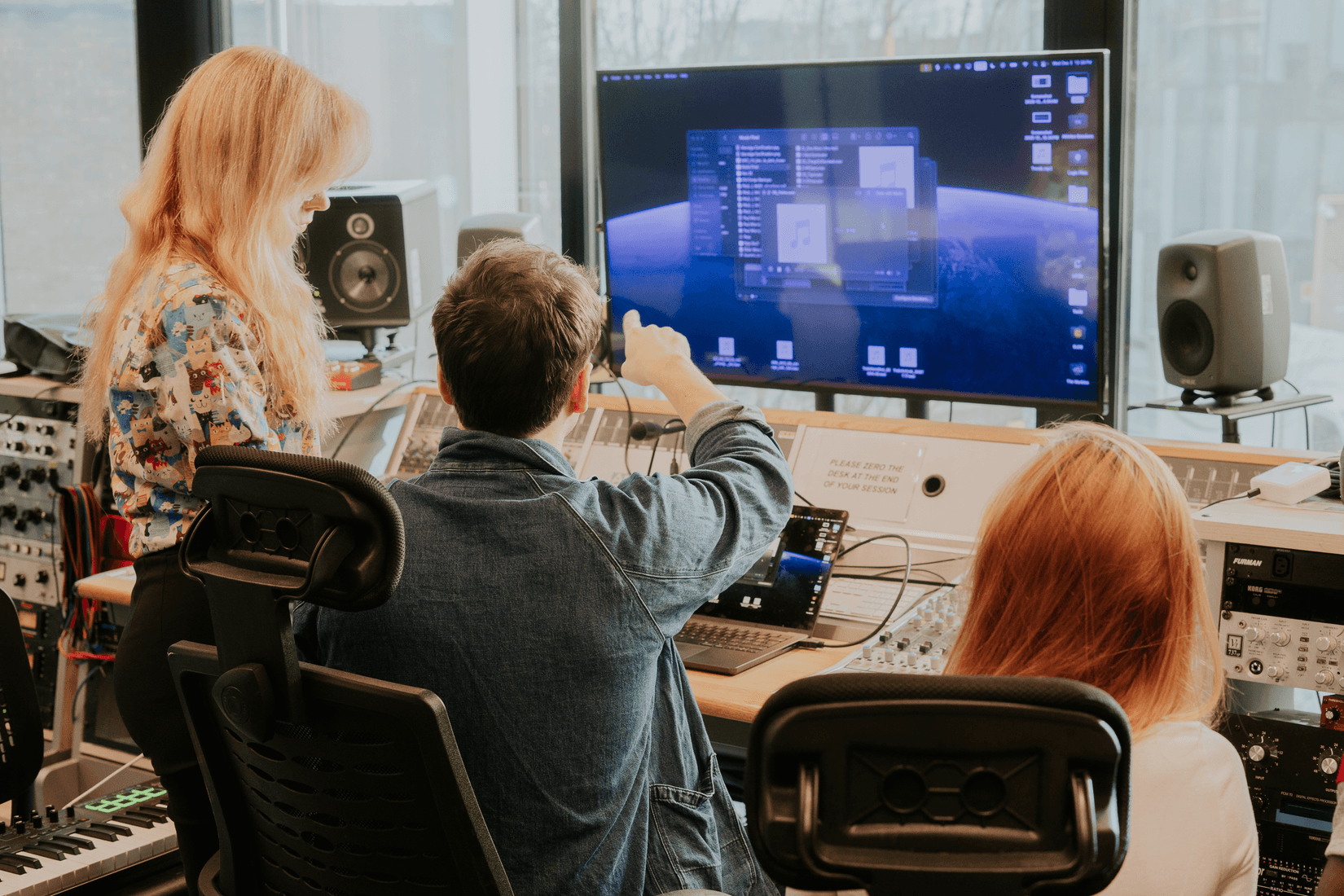
At LCCM, you’ll get hands-on with recording, producing, mixing and sound engineering while working alongside other musicians and creatives. You’ll also learn from lecturers who are actively working in the industry, bringing current knowledge and real-world experience into the classroom.
Explore our music production courses in London and find the programme that fits where you want to go next.