Home
Home
If you’re planning a career in music production, you’ve probably already thought about the kind of music you want to make, the types of artists you want to work with and so on. Once you’ve got an idea of how to get started as a music producer, there’s another question to think about: what do you want your day-to-day working life to look like?
One of the biggest decisions you’ll face as a producer is whether to go freelance or pursue studio-based employment. Both come with real benefits and challenges, and which one works for you will depend on what you want from your career. So, let’s break down the pros and cons of both paths and what you can do to set yourself up – whatever you decide.
What does a freelance music producer do?
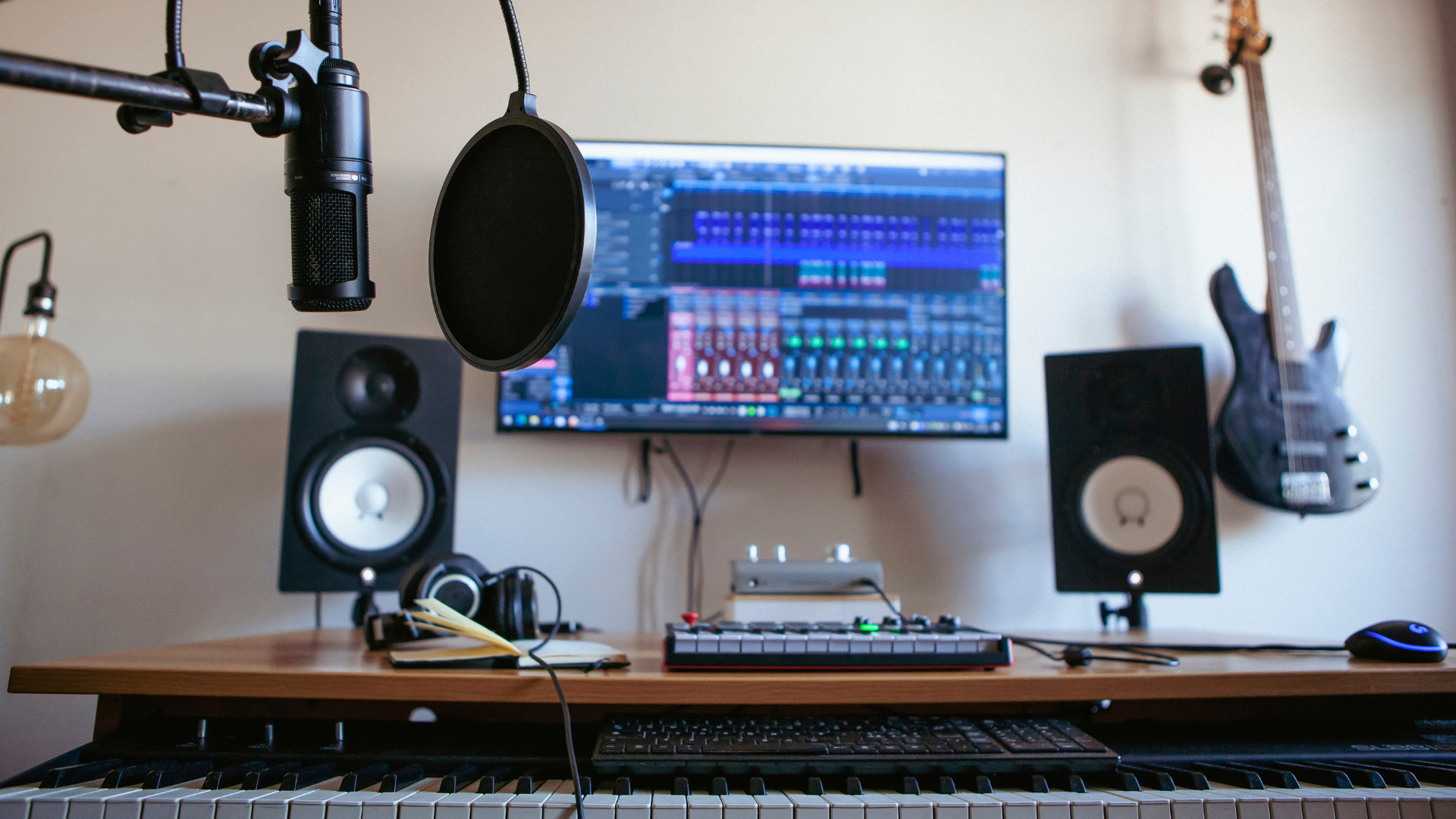
A freelance music producer is a self-employed professional who works with clients on a project-by-project basis. Unlike a producer employed by a studio or production company, freelancers source and manage their own work. They may produce from a home studio, work remotely or hire commercial recording spaces depending on the needs of each project.
Pros of freelance music production
More control over your work: As your client base grows, you can be more selective about the artists and projects you take on. This can help you develop your sound or build a reputation within a particular genre.
Greater flexibility: You have more control over your schedule and where you work. Some projects can be completed remotely, while you can hire professional studio space when you need it.
More ways to earn: Producing can sit alongside mixing, mastering, songwriting, beat-making and other paid audio work, giving you several potential sources of income.
Build your own network: Every project introduces you to new artists and industry contacts. Do a good job and those relationships can turn into repeat clients and recommendations.
Cons of freelance music production
Income can be unpredictable: Projects can be cancelled, delayed or simply dry up during quieter periods. You’ll need to manage your money around an income that may change each month.
You have to find the work: Building a portfolio, networking and finding new clients all take time alongside the actual production work.
You’re running a business: Setting rates, agreeing contracts, sending invoices and chasing payments are all your responsibility.
You cover your own costs: Software, equipment and studio hire can eat into what you earn, so you’ll need to price projects with those costs in mind.
What does studio employment look like?
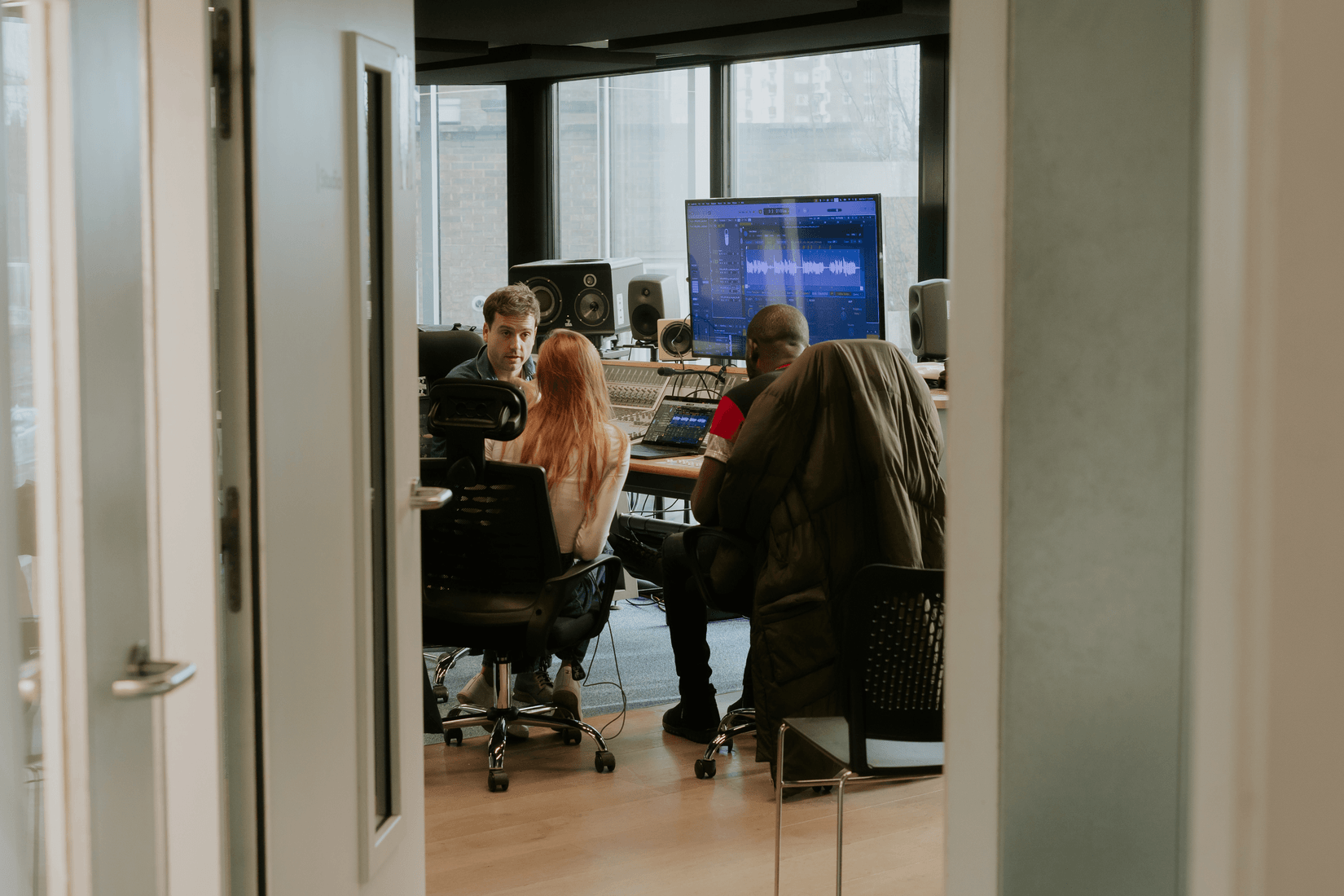
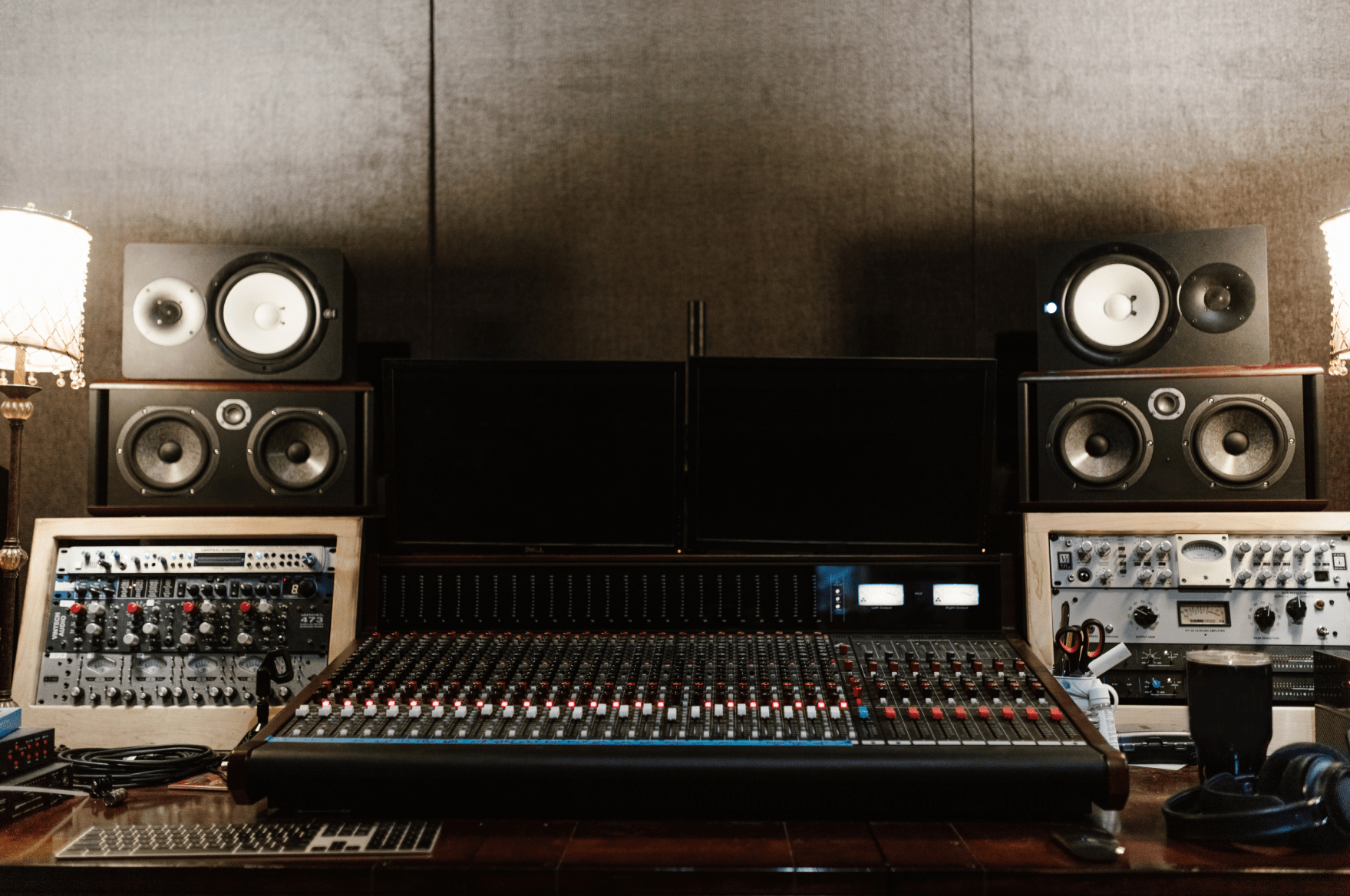
A studio-based music producer works within an established recording studio or production facility, working alongside recording engineers and other studio professionals. There are many different jobs in music production studios, and aspiring producers often begin in roles such as studio assistant or assistant engineer before progressing into production roles with greater responsibility.
Pros of studio employment
Learn from other professionals: Working around producers and engineers means seeing how experienced professionals run sessions, work with artists and solve problems in real time.
Use professional equipment: You’ll gain hands-on experience with recording spaces and equipment that can be expensive or impractical to own yourself.
Spend less time finding clients: The studio brings projects through the door, leaving you less reliant on constantly finding your next paying client.
More consistent income: Salaried positions can provide greater financial predictability than relying on individual freelance projects.
Cons of studio employment
Less choice over projects: You’ll generally work with the artists who book the studio, including genres and projects you might not have chosen yourself.
The hours can be irregular: Recording sessions don’t always finish when they’re planned to. Evening, weekend and longer sessions can all be part of studio life.
Competition can be tough: Entry-level studio positions are highly sought after, and you’ll usually need to work your way up before taking the lead on sessions.
Less location flexibility: Studio work naturally requires you to be where the equipment and sessions are, unlike some freelance work that can be completed remotely.
Which music production career is right for you?
If you’re comfortable finding clients, managing your own workload and dealing with the business side, freelancing can give you more independence. If you value learning around other professionals, regular access to equipment and greater consistency, studio employment might suit you better.
Where you are in your career matters too. A studio role can give a new producer valuable hands-on experience, while someone who’s already got a strong network and portfolio may be better placed to freelance.
Do you have to choose between freelance and studio work?
Not necessarily. It’s common for people working in music to have a portfolio career, which simply means combining different sources of income rather than relying on one role alone.
For a producer, that could mean working regular hours in a studio while taking on freelance clients, producing from home but hiring studios for bigger sessions, or earning alongside production through mixing, mastering, live sound, session work or teaching.
Building experience across different areas can give you more ways to earn and more flexibility over where your career takes you.
Build your music production career with LCCM
However you see your future in music production, having the right skills and experience behind you matters.
LCCM’s BMus Music Production & Sound Engineering course covers recording, production, mixing and mastering while giving you the chance to build your own body of work as part of a wider music community. If you want to take your skills further, our MMus Music Production course explores advanced production techniques and creative practice through a major professional project.
Whether you go freelance, work in a studio or do a bit of both, you’ll have the skills, experience and connections to start finding your own way forward.