Home
Home
Music directors play a key role in bringing live performances together, working across everything from arrangements and rehearsals to directing musicians on stage.
If it’s a career you’re interested in, there’s no single route into it. In this guide, we’ll break down what a music director does, the skills you’ll need and how you can start building experience for music performance careers.
What does a music director do?
In contemporary music, a music director (MD) oversees the musical side of a live performance, working with artists and musicians to bring their creative vision to life.
Depending on the artist or project, their responsibilities might include:
- Arranging or adapting songs for live performance
- Running rehearsals and directing musicians
- Creating charts and organising musical parts
- Planning transitions between songs
- Managing playback and backing tracks
- Making musical decisions during rehearsals and performances
MDs can also perform themselves, often playing an instrument while directing the wider band.
What skills does a music director need?
| Skill | What is means for Music Directors |
| Musicianship | Understanding how different musical parts work together |
| Aural Skills | Identifying what’s working well and what needs adjusting in a performance |
| Communication | Explaining ideas and feedback clearly to artists and performers |
| Leadership | Making decisions and keeping rehearsals positive and productive |
| Arrangement | Adapting music for different performers, formats and setups |
| Organisation | Managing rehearsals, setlists and musical preparation |
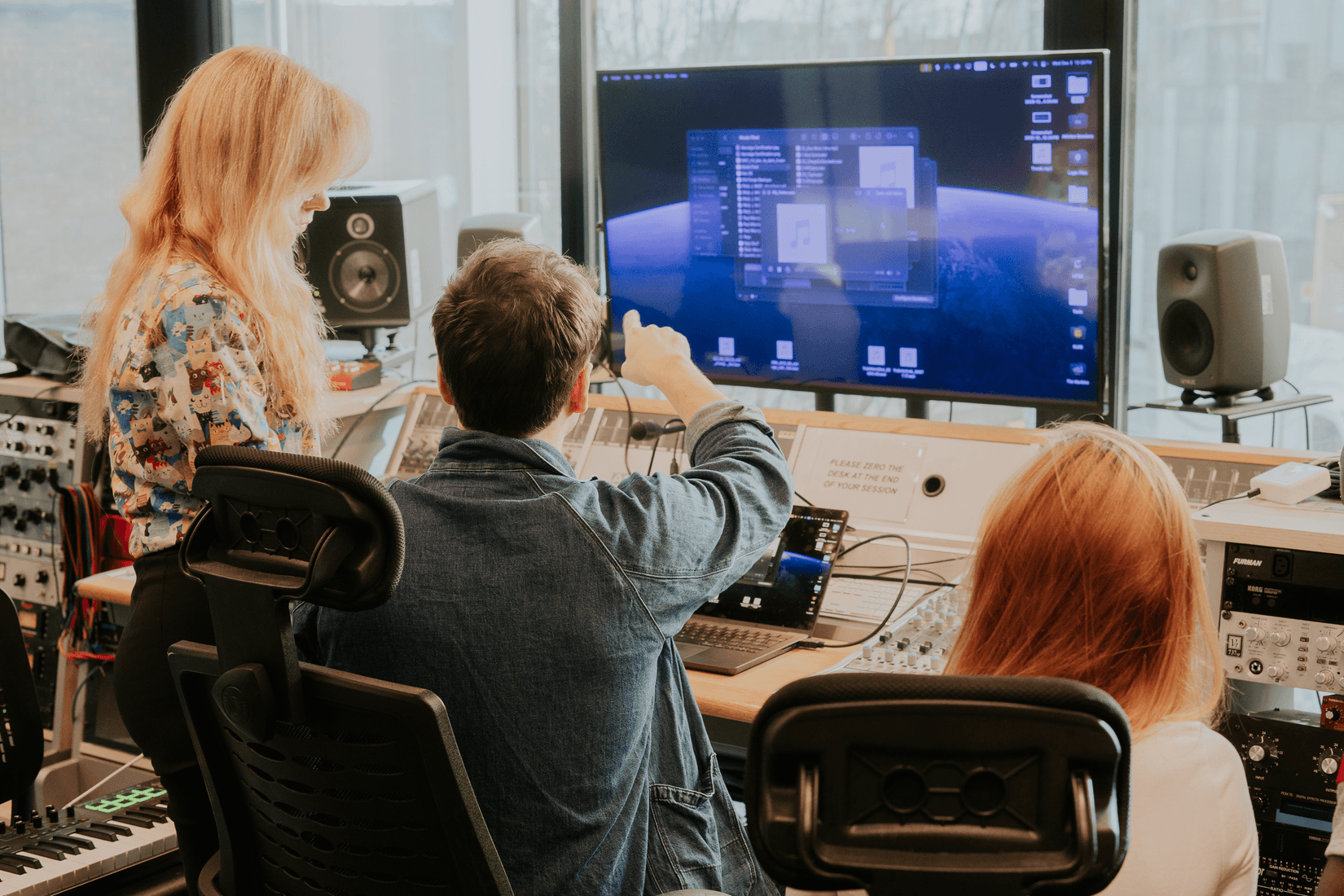
| Music Technology | Working with DAWs, playback systems and charts |
How to become a music director: 5 practical steps
As with many modern music careers, there’s no fixed route for becoming a music director. Many musicians build experience across different areas of the industry, from live performance and session music to songwriting and production.
If you’re just starting out and have limited experience, here are five ways to start working towards the role.
1. Develop your musicianship
Build a strong foundation in your instrument, but don’t stop there. Work on your listening skills, harmonic knowledge and understanding of music theory. It can also be helpful to develop proficiency in multiple instruments to improve your understanding of how different instruments and musicians work together.
To get started, you might try breaking down the live arrangements of songs you enjoy and identify what’s different from the studio recorded version versus the on-stage performance.
2. Get experience performing with others
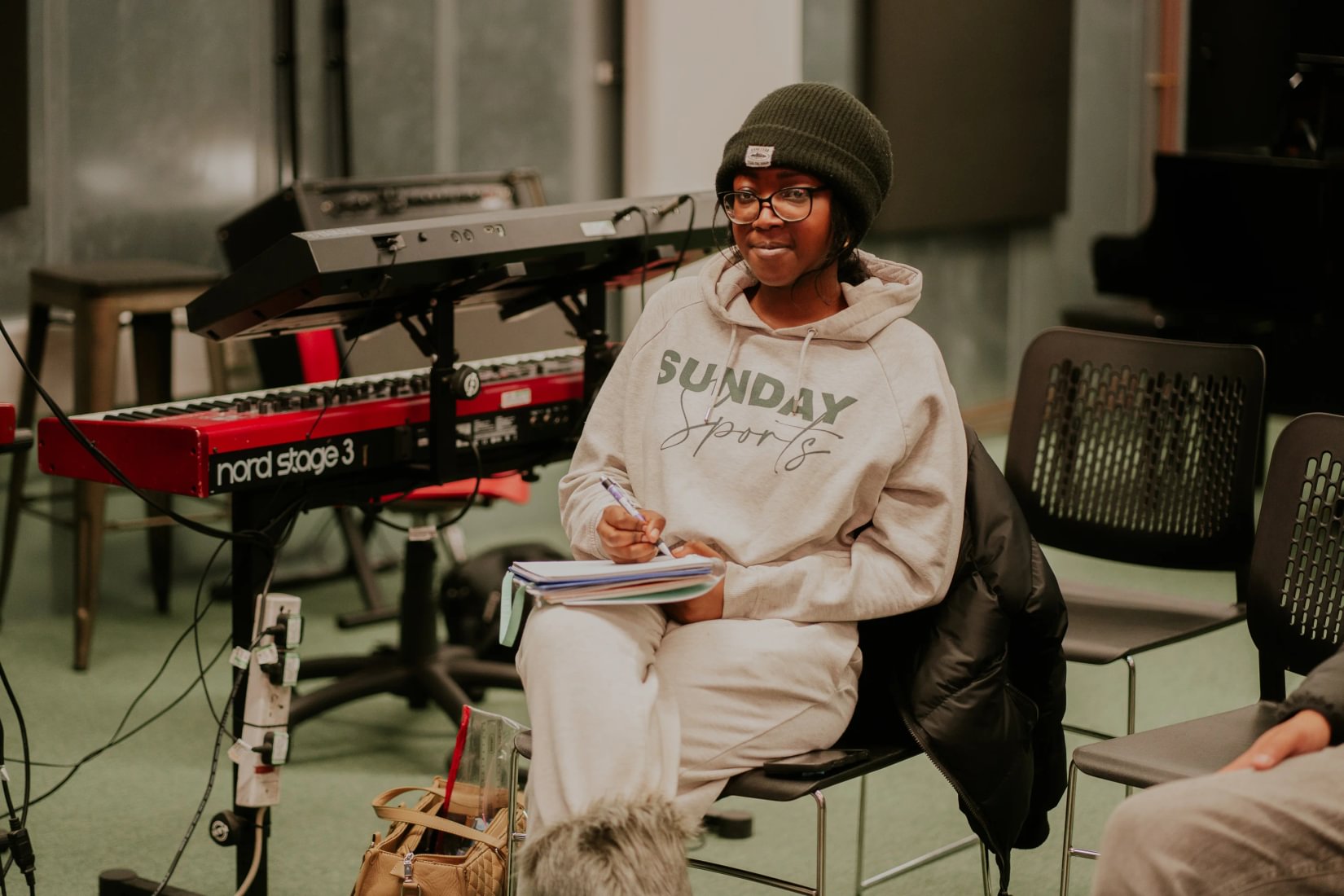
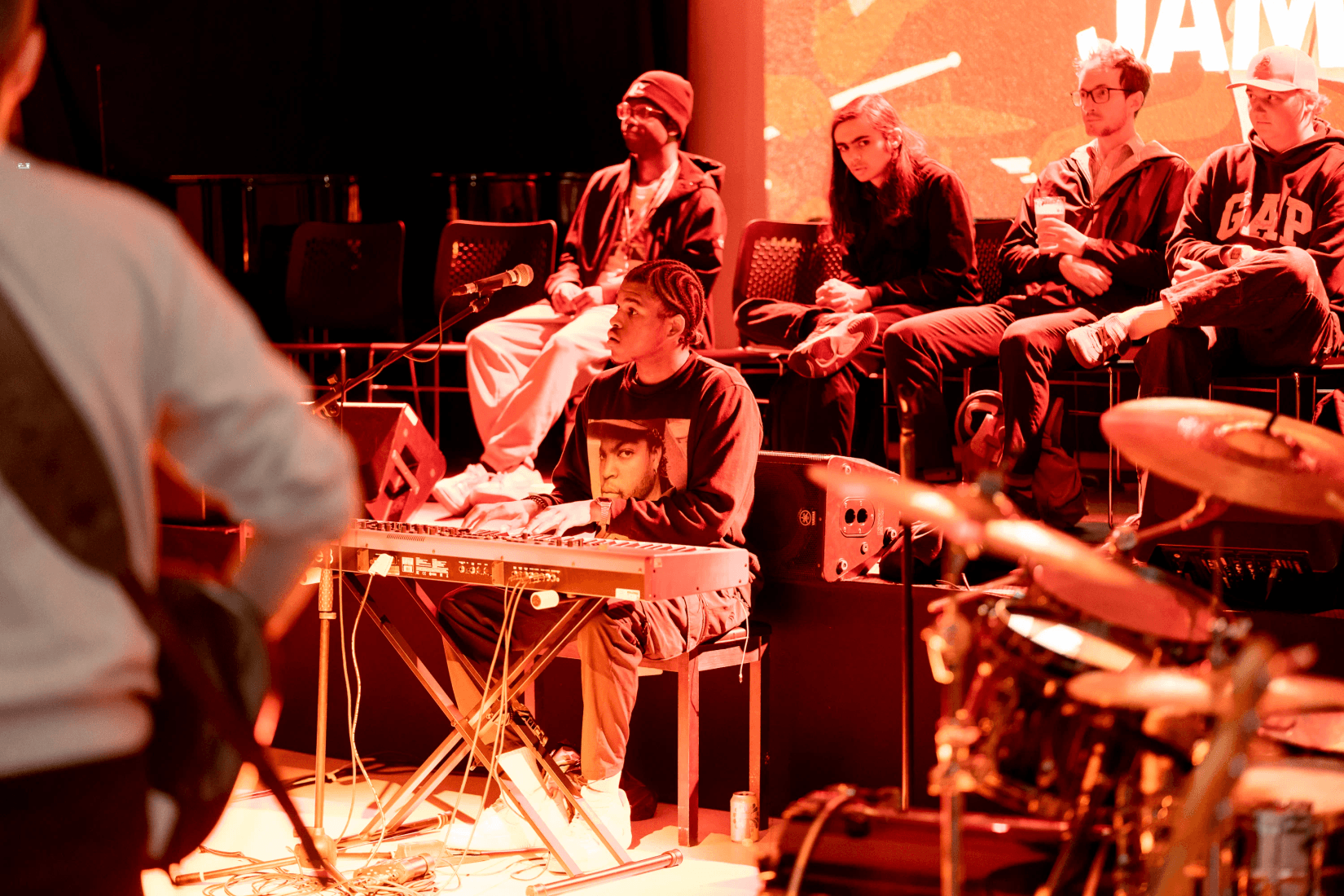
Join bands, play gigs and collaborate with musicians across different genres. If you’re at college or university, take the opportunity to experiment, whether that’s performing in an unfamiliar style or working with producers and songwriters on new projects.
Session musician jobs can also provide valuable experience. Session musicians need to learn quickly, take direction and adapt to different artists – skills that can be useful in music direction.
If you’re just getting started, check out our guide to starting a music career with no experience.
3. Start taking the lead
Taking the lead doesn’t come naturally to everyone, but it’s a skill you can develop with practice. College or university is a good place to start, with plenty of opportunities to try new things and take on more responsibility.
Next time you’re working on a group project, why not offer to run a rehearsal, arrange a track or direct a performance? Even small steps can help you build the confidence and experience to lead other musicians.
4. Get comfortable with music technology
Contemporary music directors often work with DAWs, playback systems, click tracks and musical charts.
Try creating a playback session for a song or arranging a track for a different band setup. Our guide to music technology every musician should know is another useful starting point.
5. Build your community and portfolio
Music performance careers often develop through the people you work with. Get to know other performers, producers, songwriters and engineers, and focus on being someone people enjoy collaborating with.
Document your work and projects, too. Keep recordings of performances, save arrangements and build a portfolio of projects you’ve helped lead. You can also use social media marketing for musicians to share your work and connect with other creatives.
How do you find music director jobs?
Many opportunities develop through existing collaborators and recommendations. Building relationships with emerging artists, bands and other musicians is essential to creating a reputation [EM6] for yourself in an industry that places a lot of value on professional recommendations.
Keep an eye out for opportunities to assist established MDs, lead smaller performances or take responsibility for rehearsals. These experiences can help you build the track record needed for larger projects.
Study music performance at LCCM
Whether you’re interested in music direction, session work, or other careers in music performance, studying music offers opportunities to develop your skills and collaborate with other musicians.
At LCCM, we’ve built a community that encourages you to experiment, share ideas and learn from the musicians around you. Here, there’s plenty of opportunities to collaborate on creative projects with access to fully kitted-out studios and industry-level equipment while you study.
Explore LCCM’s undergraduate Music Performance and Production course or take your practice further with our MMus Music Performance programme.