Home
Home

From the outside, it looked like everything was falling into place for 21-year-old singer-songwriter Shannon D’Arcy.
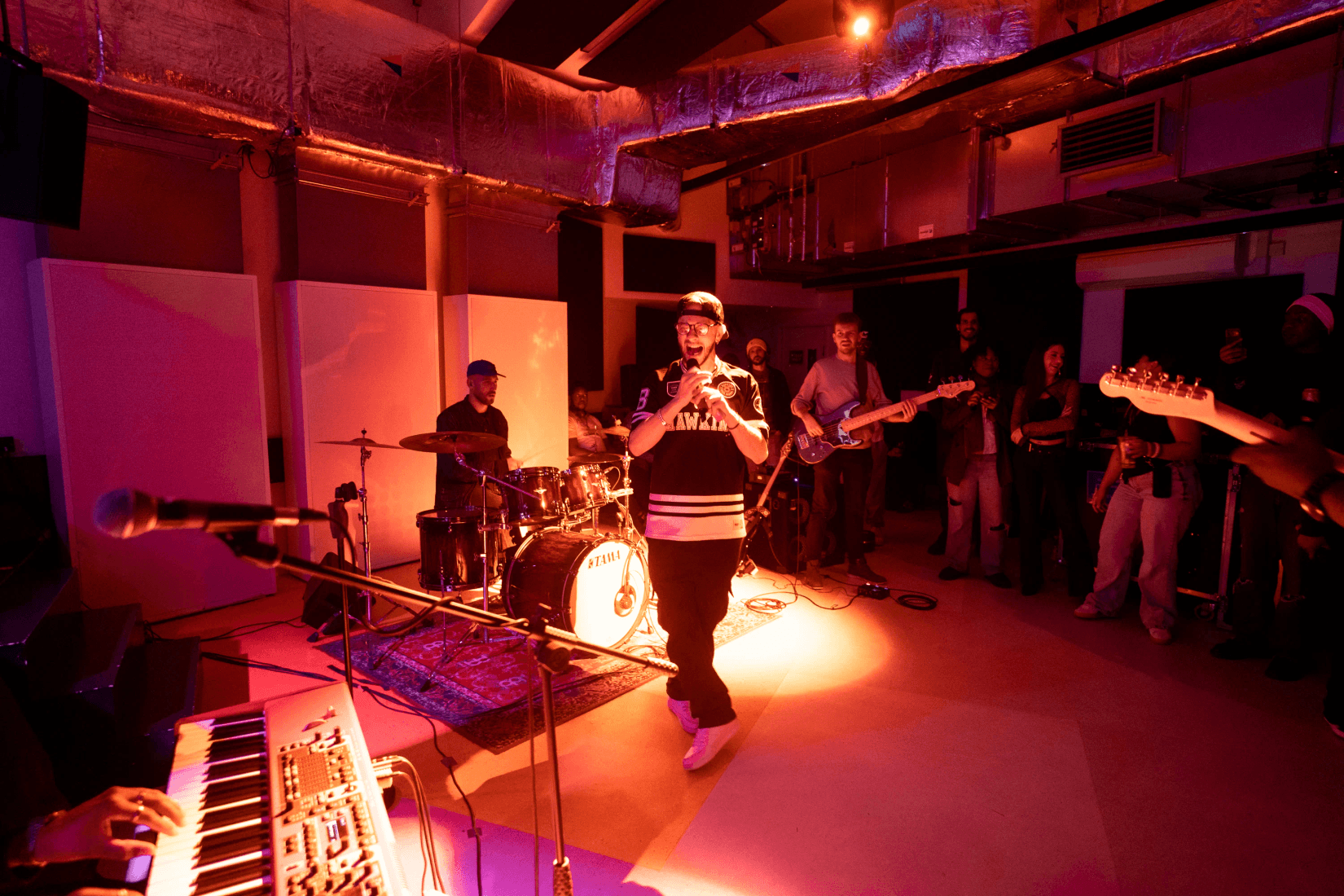
As a student at the London College of Contemporary Music (LCCM), she was performing with her band at some of London’s best-known venues, building her confidence as an artist and creating the kind of opportunities many aspiring musicians dream about.
What audiences didn’t see was what she was experiencing before stepping out on stage. Before almost every rehearsal and performance, Shannon would feel overwhelmingly anxious. The nerves weren’t feeling like the generic pre-performance butterflies, but something far more debilitating.
“I got to the point where I wasn’t even enjoying performing anymore,” she says. “I’d worked so hard to get these opportunities, but instead of feeling excited, I just felt panic.”
For many people, stage fright is considered an unavoidable part of performing. A racing heart, sweaty palms and pre-show nerves are almost expected. But for some performers, anxiety goes far beyond excitement and becomes something that begins to overshadow the very career they’re trying to build.
When nerves stop being normal
The physical symptoms soon became part of the routine. Every opportunity Shannon had worked so hard for became overshadowed by the fear of how she would feel before stepping into the spotlight.
While some level of adrenaline can sharpen focus and improve performance, anxiety can become problematic when the brain starts interpreting the stage as a genuine threat rather than an exciting challenge.
“It didn’t matter if it was a big venue or just an end-of-term rehearsal,” she explains. “I’d feel sick before rehearsals and performances and I’d overthink absolutely everything. It became exhausting.”
One performance, however, stands out more than any other. Last year, Shannon performed at indigo at The O2, an achievement many young musicians would consider a career highlight. “I should’ve been enjoying every second of it because it was such an amazing opportunity, but I was so anxious and physically unwell beforehand that I couldn’t really take it in.” Rather than celebrating the experience, she spent much of the day simply trying to get through it.
Breaking the cycle
Like many people experiencing anxiety, Shannon initially assumed she simply had to live with it. Eventually, she decided to explore another option and began working with BrainWorking Recursive Therapy (BWRT), a relatively new therapeutic approach developed in the UK by therapist Terence Watts in 2011. BWRT is based on the idea that many anxious responses happen automatically before we’re consciously aware of them. The therapy aims to interrupt these learned threat responses and help the brain create new, more helpful patterns of reaction.
It has been used by practitioners to support people experiencing anxiety, panic responses, phobias, addiction and performance-related fears, with some reporting changes after only a small number of sessions.
For Shannon, the change felt immediate. “It was like night and day,” she says. The same band, the same rehearsals, the same environment that had been so triggering suddenly felt completely different. “I actually enjoyed it. I still had nerves, but healthy nerves – the kind you’d expect before performing. I wasn’t physically sick anymore and I wasn’t spiralling in my head.”
More than music
Performance anxiety rarely exists in isolation. Shannon realised that the same pattern of overthinking was affecting other parts of her life too. Driving had become another source of stress, leading her to avoid certain roads and situations because they made her anxious. “I used to take the long way round to avoid certain driving situations,” she says. “I’d massively overthink things. Now I feel really relaxed when I drive. I don’t overanalyse everything anymore.”
According to BWRT practitioner Claire Gaskin, this isn’t unusual: “for many performers, it’s not simply ‘nerves’,” she explains. “The brain can begin reacting as though the situation is genuinely unsafe, creating intense physical symptoms like panic or nausea. BWRT works to help change that automatic response.”
Why conversations like this matter
The music industry often celebrates resilience, confidence and charisma, making it easy to assume successful performers are naturally fearless. The reality is often very different. Many musicians experience anxiety but feel pressure to hide it, worried it could be mistaken for weakness or lack of professionalism, tet speaking openly about mental health is becoming increasingly common, helping challenge the idea that confidence means never feeling afraid.
For Shannon, the biggest change isn’t simply that the anxiety has eased. It’s that performing has become enjoyable again. She has completed her first year at LCCM with a renewed sense of confidence and is preparing to perform at an awards show in Las Vegas this October. “Before, opportunities like this made me anxious because all I could think about was how I’d feel beforehand,” she says. “Now I’m actually excited. I get to enjoy them.”
For Shannon, success is no longer measured only by the venues she performs in or the audiences she sings to. It’s being able to walk on stage and remember why she wanted to perform in the first place.
If you suffer from performance anxiety, or any mental health related symptoms, LCCM is partnered with Uwill, a leading mental health and wellness network with immediate teletherapy appointments and crisis conversations – please be sure to reach out to Student Services for more information and find their website here.

*This article shares one individual’s experience with therapy alongside commentary from a BWRT practitioner. It is intended for general information and should not be taken as medical advice. Experiences with therapy vary from person to person, and anyone experiencing persistent anxiety should seek advice from a qualified healthcare professional.